Buckshot Roulette Rules Explained: How the Game Actually Works
Learn the Buckshot Roulette rules clearly: round structure, charges, live vs blank shells, no-item Round 1, items in later rounds, Double or Nothing, multiplayer, and when to sh…
Buckshot Roulette looks simple at first: a shotgun is loaded with a random mix of live and blank shells, and on each turn you choose whether to shoot yourself or the dealer. But the rules are built around pressure, memory, and timing. If you want to survive consistently, you need to understand not just what the rules are, but how each rule changes your decision-making.
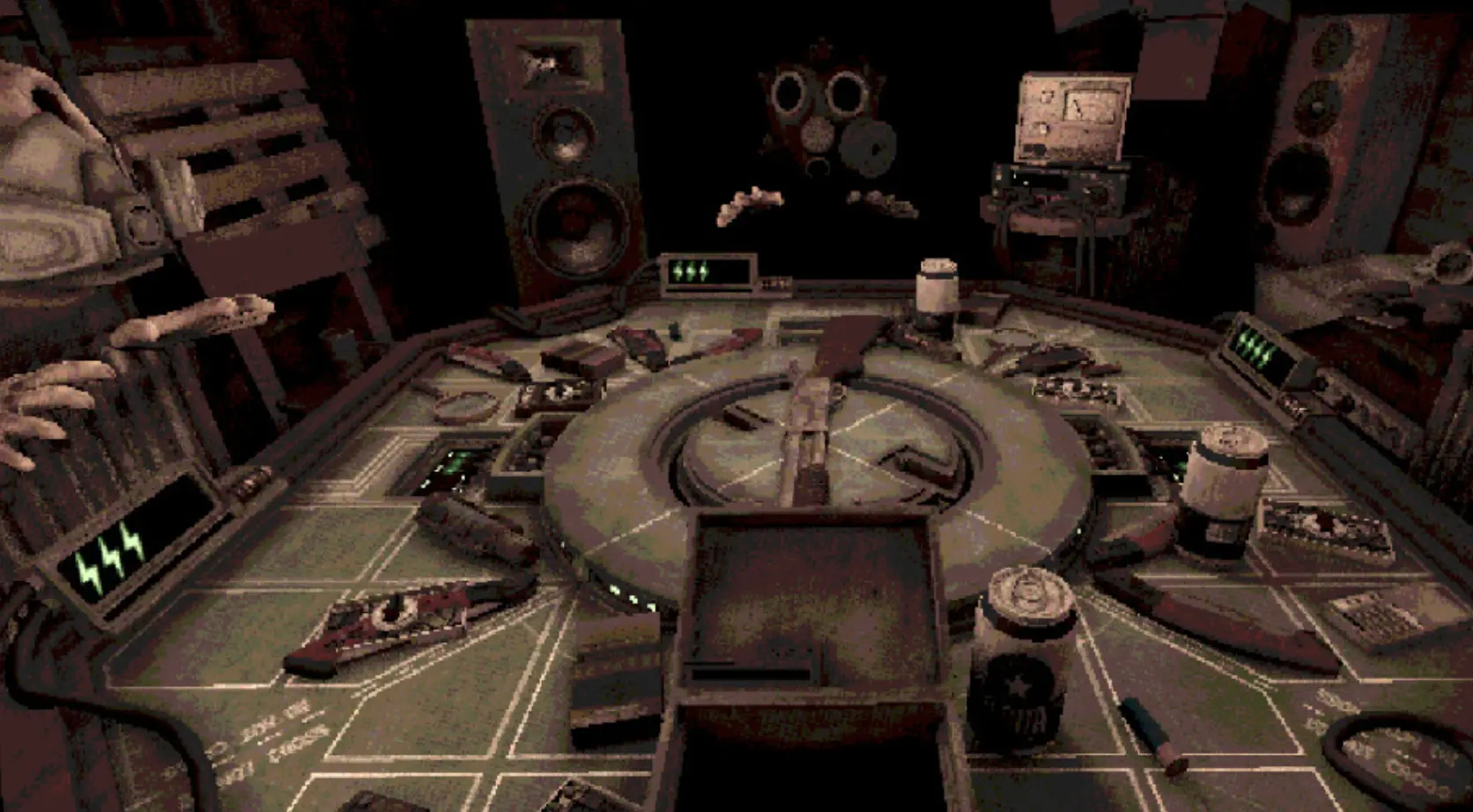
A real Buckshot Roulette round looks simple at first, but nearly every decision is shaped by shell ratio, item timing, and whether giving the turn back to the dealer is actually safe.
What is Buckshot Roulette?
Buckshot Roulette is a horror-themed deduction and risk-management game inspired by Russian Roulette, but played with a shotgun instead of a revolver. The chamber contains both live and blank shells, and each decision is shaped by probability, shell tracking, item timing, and whether giving the turn back to the dealer is safe.
That is why many players search for the rules first, then quickly realize the real question is not just how the game works, but when they should actually pull the trigger.
How Buckshot Roulette works at a glance
- The standard game is played across three rounds.
- Round 1 starts with 2 charges each and no items.
- Round 2 starts with 4 charges each and introduces items.
- Round 3 starts with 5 charges each and is the most punishing part of the match.
- Each loadout begins with a randomized mix of live and blank shells loaded into the shotgun.
- You and the dealer take turns choosing whether to shoot yourselves or each other.
- A live shell removes a charge from the target.
- A blank shell does no damage.
- If you shoot yourself with a blank, you keep the turn.
- When the shotgun is empty, a new loadout is prepared.
- The shotgun loadout can contain up to 8 shells, which makes long chambers much harder to track than short ones.
Buckshot Roulette rules by phase
If you want the rules explained in a cleaner way, it helps to split Buckshot Roulette into phases. The core shell logic never disappears, but the pressure changes a lot depending on whether you are reading a fresh loadout, resolving a turn, or entering a new reload state.
Setup rules
At the start of a loadout, the dealer reveals how many live and blank shells are being loaded, but not the exact order. This is one of the most important Buckshot Roulette rules: you know the ratio, not the sequence. That difference is what creates deduction, risk, and self-shot decision-making.
Turn rules
On your turn, you choose whether to shoot yourself or the dealer. A live shell removes a charge from the target. A blank shell does no damage, and if you shoot yourself with a blank, you keep control instead of handing the turn away. That single rule is why self-shots can be correct and not just reckless.
Reload and round-reset rules
When the shotgun is emptied, the current loadout ends and a new one begins. The live-to-blank ratio changes again, which means old assumptions do not carry over cleanly. Later states of the game become more item-driven and more punishing, so understanding when a loadout resets is a major part of playing the rules correctly.
Rounds and charges
Buckshot Roulette is structured around escalating rounds. Each side has a limited number of charges, which act like lives. If your charges hit zero, you lose the round. The exact pressure of a round depends on how many charges are left, how many shells remain, and whether either side has enough information to make a confident shot.
This is also why Buckshot Roulette stops being a pure guessing game very quickly. Once you understand charges, you stop seeing every shot as random and start seeing it as a resource trade.
Round 1 rules
Round 1 begins with 2 charges for both sides. This is the cleanest phase of the game because there are no items yet. That makes Round 1 the purest test of shell ratio, target choice, and whether you should risk a blank self-shot or push the turn toward the dealer.
Round 2 rules
Round 2 begins with 4 charges for both sides and introduces items. In the usual structure, each side can receive two random items per loadout or hand. This is the point where Buckshot Roulette stops feeling like raw chance and starts becoming a much deeper decision game.
Round 3 rules
Round 3 begins with 5 charges for both sides and raises the pressure again. In the usual structure, item volume increases further, often to four random items per loadout or hand. Shorter chambers, bigger item swings, and higher punishment make the last round much less forgiving than the opening of the game.
Round flow
A round starts when the dealer loads the shotgun with a known number of live and blank shells, but in an unknown order. You know the ratio, not the exact sequence. That ratio is one of the most important parts of the rules, because it determines whether a self-shot is clever or reckless.
The dealer announces how many live and blank shells are loaded, but the order stays hidden unless an item reveals it. Once the current loadout is exhausted, the shotgun is reloaded and shell tracking starts over under a new ratio. That reset is a key rule detail, because good decisions always belong to the current loadout, not the previous one.
What charges do
Charges are your health. A live shell removes one, and in some states or with certain damage-boosting items, the pressure of losing a charge becomes much more severe. Good players always evaluate shell risk through the current charge state, not in isolation.
Live shells vs blank shells
The core Buckshot Roulette rules revolve around two shell types: live and blank. A live shell deals damage to the chosen target. A blank shell does not. But that does not mean blanks are just harmless filler. In practice, blanks are what create tempo, self-shot lines, and some of the game’s most important tactical decisions.
What happens if you shoot a live shell
If the next shell is live, the target loses a charge. If you aimed at yourself, you take the damage. If you aimed at the dealer, the dealer takes it. This sounds obvious, but it is the entire reason target selection matters so much in Buckshot Roulette.
What happens if you shoot a blank shell
A blank shell deals no damage. The most important detail is this: if you shoot yourself with a blank, you keep control and can continue acting. That single rule is why shooting yourself is sometimes the correct move instead of a mistake.
Should you shoot yourself or the dealer?
This is where most players move from learning rules to needing strategy. The rules tell you what happens when you pull the trigger. They do not tell you which target is best. In practice, the right choice depends on shell ratio, remaining charges, item support, and how much chamber information you trust.
As a general rule, shooting yourself makes sense when blank odds clearly favor you or you have strong information that the next shell is safe. Shooting the dealer makes more sense when live pressure is high or when you have enough confidence that pushing risk outward is the best value play.
How items change the rules
After Round 1, Buckshot Roulette introduces items. This is the moment where the game stops feeling like raw chance and starts becoming a much deeper decision game. Items do not replace the shell rules. They modify how much information you have, how much tempo you control, and how rewarding a correct shot becomes.
Information items
Information items reduce uncertainty. These are often the strongest tools in the game because knowing the next shell turns a guess into a plan. When the chamber is dangerous or evenly weighted, information can be worth more than damage.
Tempo items
Tempo items change who acts next or how many meaningful actions one side gets. In Buckshot Roulette, control of turn order is extremely powerful. Even a modest item can become game-winning if it denies the dealer a chance to convert good shell information.
Damage items
Damage-modifying items make target selection more important. If a correct live read suddenly hits harder, shooting the dealer becomes much more attractive. But damage tools are best when paired with information, not guesswork.
All Buckshot Roulette items by mode
One of the most important Buckshot Roulette rules questions is which items exist in which mode. The full list is not the same everywhere, and that is why a good rules page should separate standard play, Double or Nothing, and multiplayer.
Standard / Story mode items
- Magnifying Glass: reveals immediate shell information and collapses uncertainty.
- Beer: ejects the current shell, which is especially useful in messy loadouts where clearing one unknown shell can make the chamber much easier to read.
- Cigarette Pack: restores survivability when health state makes it relevant.
- Hand Saw: increases the value of a correct live-shell attack.
Double or Nothing items
- Adrenaline: lets you steal impact from the dealer’s item pool and use it immediately.
- Burner Phone: gives future shell information that can break an otherwise even chamber.
- Inverter: flips the current shell type, turning live into blank or blank into live.
- Expired Medicine: trades risk for survivability and can change the value of a dangerous round instantly.
Multiplayer-only items
- Jammer: skips a selected opponent’s next turn and acts like a multiplayer form of hard tempo denial.
- Remote: reverses turn order in multiplayer and becomes especially relevant in games with more than two players.
Buckshot Roulette modes explained
Different Buckshot Roulette modes change how the rules feel in practice. The core shell logic remains the same, but the pacing, item economy, and risk tolerance can shift a lot depending on the mode.
Regular mode
Regular mode is the cleanest place to learn the game. It teaches the core rhythm of shell ratio, target choice, and item timing without the additional greed pressure of extended modes.
Double or Nothing
Double or Nothing keeps the core shell rules but changes progression into a longer, harsher gamble. It adds exclusive items such as Adrenaline, Burner Phone, Inverter, and Expired Medicine, which makes information, survival margin, and item economy much more important than in the standard three-round structure.
Multiplayer
In multiplayer, the core Buckshot Roulette rules do not fundamentally change. Live shells still remove charges, blank shells still create tempo, and target choice still depends on shell information. The biggest difference is that human opponents are not locked into the dealer’s predictable behavior.
That means multiplayer rules feel less solved even when the shell logic stays the same. Real players can bluff confidence, invite bad reads, or punish hesitation in ways the dealer usually does not. So when people search for Buckshot Roulette rules multiplayer, the answer is usually this: the shell rules stay familiar, but the mind games become much more dangerous.
Custom rules
Some multiplayer rooms or community formats also use custom rules. These usually do not replace the core live-shell, blank-shell, and charge system. Instead, they adjust pacing, item expectations, or how aggressively players want to interpret house-style rules. If you are joining a custom room, always confirm the local rules before assuming standard play.
Basic rules most new players misunderstand
- Knowing the shell ratio is not the same as knowing the next shell.
- A blank shot at yourself can be one of the best moves in the game.
- Round 1 has no items, so the early game is much more about shell logic than item tricks.
- Items do not remove luck, but they can reduce uncertainty enough to change the correct target.
- Passing the turn is not always fatal if the dealer lacks reliable shell information.
- The game is not just about surviving one shot. It is about improving the next state after that shot.
How to use the rules to make better decisions
If you only memorize the Buckshot Roulette rules, you will understand what happened after you lose. If you apply the rules actively, you can make better decisions before you lose. That means checking the live-to-blank ratio, respecting how self-shot blanks preserve tempo, and using items to reduce uncertainty before you commit to a dangerous line.
This is exactly why many players move from a rules page to a calculator. Once the basic rules are clear, the next question becomes practical: given the shells left right now, what is the best shot?
FAQ
What are the basic Buckshot Roulette rules?
The dealer loads a random mix of live and blank shells, both sides take turns shooting themselves or each other, a live shell removes a charge, and a blank shot at yourself lets you keep the turn.
How many rounds are in Buckshot Roulette?
The standard game has three escalating rounds.
How many charges do you get in each round of Buckshot Roulette?
In the standard structure, Round 1 starts with 2 charges each, Round 2 starts with 4, and Round 3 starts with 5.
Are there items in Round 1 of Buckshot Roulette?
No. Round 1 is the no-item phase. Items start appearing from Round 2 onward.
How many items do you get in later rounds?
In the usual structure, Round 2 introduces two random items per loadout or hand, and Round 3 increases that to four.
What do blank shells do in Buckshot Roulette?
Blank shells deal no damage. If you shoot yourself with a blank, you keep control, which is why self-shots can sometimes be the best move.
Should you shoot yourself in Buckshot Roulette?
Yes, sometimes. Shooting yourself is strongest when blank odds clearly favor you or when you have reliable shell information that makes the move safe.
What happens if you shoot the dealer?
If the shell is live, the dealer loses a charge. If it is blank, no damage is dealt, and you usually lose the chance to turn that shell into a safe self-shot.
Are items part of the rules in Buckshot Roulette?
Yes. Items are introduced after the simplest early state and become a major part of how the game is actually played.
Which items are in standard Buckshot Roulette?
The standard item pool commonly includes Beer, Cigarette Pack, Hand Saw, Handcuffs, and Magnifying Glass.
Which items are in Double or Nothing?
Double or Nothing adds Adrenaline, Burner Phone, Inverter, and Expired Medicine.
What are the Buckshot Roulette multiplayer rules?
The core rules stay very similar: live shells remove charges, blank shells preserve tempo, and target choice still depends on shell information. The big difference is that human opponents are far less predictable than the dealer.
Are there custom rules in Buckshot Roulette?
Some multiplayer rooms or community formats use custom or house-style rules, but they are usually layered on top of the core live-shell, blank-shell, and charge system rather than replacing it.
Is Buckshot Roulette multiplayer?
Yes, multiplayer exists, and it also introduces multiplayer-only items such as Jammer and Remote.
Is Buckshot Roulette pure luck?
No. Luck matters, but shell tracking, target selection, and item timing change outcomes far more than many new players expect.
Does a Buckshot Roulette calculator help?
Yes. It is useful once you already know how many live and blank shells remain and want a faster read on the next decision.
Useful resources
Next step
Now that you understand the Buckshot Roulette rules, the next skill is decision-making. Open the calculator when you know the shell ratio, compare the risk of a self-shot versus a dealer shot, and turn the rules into actual survival odds.