Geometry Dash Platformer vs Classic – Which Mode Should You Start With?
Should beginners start with Geometry Dash Platformer or Classic mode? Learn the real differences, which one is easier, and why Platformer is a parallel path rather than a replac…
Geometry Dash used to have a very simple identity. You moved automatically, the level scrolled forward, and your job was to survive by timing inputs correctly. Then 2.2 arrived and changed the conversation. Now the game also includes Platformer mode, which looks much closer to a traditional action-platformer than the old auto-scrolling formula.
That sounds great for beginners, but it also creates a new confusion: if Platformer is more forgiving, should new players start there instead of Classic?
The best answer is not 'one is good and the other is bad.' They are both valuable, but they do different jobs. Classic is still the mainline foundation of Geometry Dash. Platformer is a parallel branch that is friendlier in some ways, newer in style, and absolutely worth playing, but it does not replace the skills built by Classic mode.
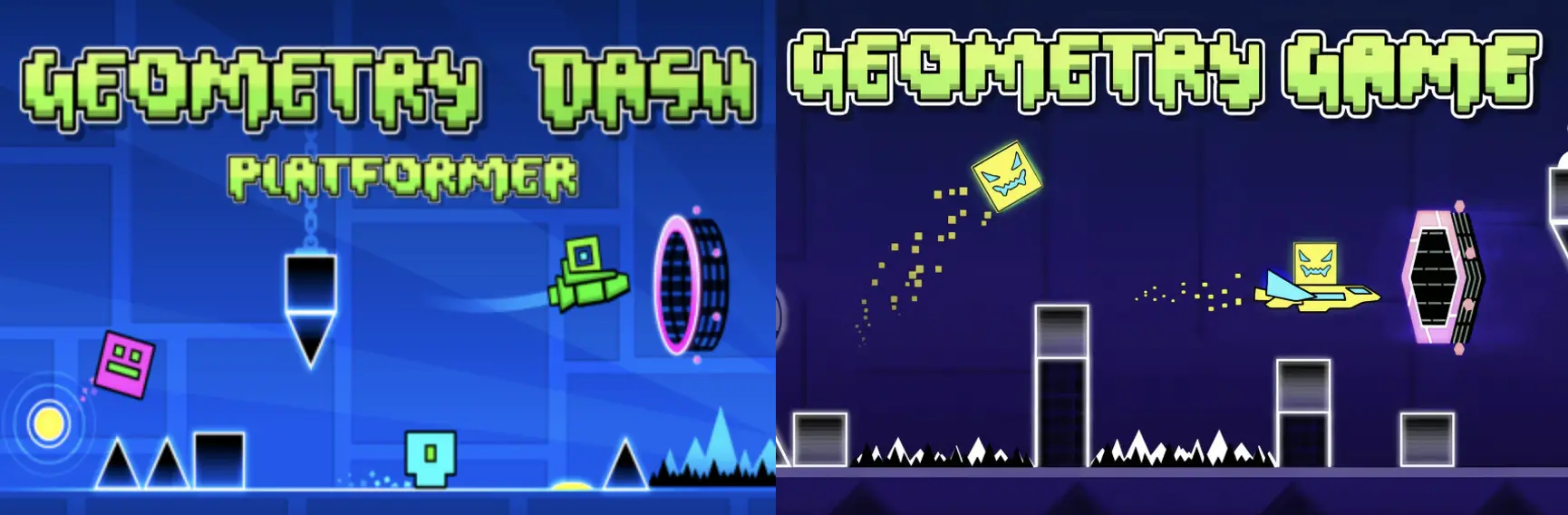
The Short Answer
If you want the real Geometry Dash foundation, start with Classic. If you are completely new and feel overwhelmed by constant restarts, Platformer is a friendlier side route that helps you stay in the game longer.
The important part is this: Platformer is not a replacement for Classic progression. It is a parallel lane. If your long-term goal is official classic levels, Demons, Wave control, Ship control, and the traditional Geometry Dash skill path, Classic still comes first.
Why These Two Modes Feel So Different
Classic Mode
Classic mode is the original Geometry Dash formula. The screen scrolls automatically, you cannot stop moving forward, and your entire job is to read the level, trust the rhythm, and control your inputs through one continuous run. If you die outside Practice Mode, you go back to the start.
Platformer Mode
Platformer mode changes the game into something much closer to a traditional precision platformer. You can move left and right, stop, jump on your own timing, explore more carefully, and recover from death through checkpoints. Instead of one uninterrupted run, progress becomes more segmented and less punishing.
The Biggest Differences Between Platformer and Classic
Control logic
Classic is auto-scrolling. You are always moving forward and cannot slow the game down by stopping. Platformer gives you full movement control. You can stop, reposition, walk back, and think before the next obstacle.
Failure and punishment
Classic is harsher by design. One mistake often means a full restart. Platformer is far more forgiving because checkpoints break long levels into manageable pieces. This is the single biggest reason many new players feel less stressed in Platformer mode.
Core challenge
Classic is about rhythm, continuous execution, reading ahead, and muscle memory across an entire run. Platformer is more about space control, jump precision, puzzle-like problem solving, and recovering through repeated attempts inside one section.
Rewards and progression
Classic progression is built around Stars and Demons. Platformer progression is built around Moons and Platformer Demons. That difference is not just cosmetic. It reflects two different difficulty cultures inside the same game.
Level structure
Classic levels usually have a fixed run length and demand sustained focus for that entire duration. Platformer levels can be much more elastic. A level might take seconds if you are good enough, or far longer if you are learning it section by section.

Which One Is Easier for Beginners?
For pure first-contact comfort, Platformer is usually easier. The checkpoint system lowers frustration, and free movement gives you time to think instead of forcing you to survive an uninterrupted run from memory.
But that does not automatically make Platformer the better starting point. Easier does not mean more useful for every goal. If your real goal is to understand Geometry Dash as most players know it, then Classic is still the correct starting foundation.
Choose Classic If...
- You want to follow the traditional official level path.
- You want to improve at Wave, Ship, UFO, Ball, and the other classic movement modes in their original form.
- You eventually want to beat Clubstep, Theory of Everything 2, Deadlocked, or classic community Demons.
- You want to build rhythm trust, sight-reading, and continuous-run consistency.
- You want the mainline Geometry Dash experience, not just one branch of it.
Choose Platformer If...
- You are completely new and one-death restarts are making you want to quit immediately.
- You want a friendlier 2.2 entry point with checkpoints and more room to think.
- You were specifically drawn in by The Tower or the modern platformer-style side of Geometry Dash.
- You enjoy precise movement, retrying sections, and puzzle-like obstacle solving more than long rhythm runs.
- You want to explore one of the strongest modern branches of the Geometry Dash community.
Can Platformer Replace Classic Practice?
No, not really.
Platformer can still make you a better player overall in some broad ways. It can improve patience, obstacle reading, recovery habits, and general comfort with movement. But it does not replace Classic fundamentals because the core pressure is different.
Classic teaches single-run rhythm, mode transitions, reaction compression, and the mental discipline of surviving without checkpoints. Platformer teaches section-based platform precision and more direct movement control. Those skills overlap a little, but they are not interchangeable.
What 2.2 Changed About This Debate
Geometry Dash is no longer just a rhythm game
With Platformer mode in the picture, Geometry Dash is no longer only the old auto-scrolling formula. It now also functions as a much broader platforming sandbox, which is why this conversation even exists.
Difficulty means different things now
A hard Classic level and a hard Platformer level are difficult in different ways. Classic difficulty often means faster reading, tighter timing, and higher pressure. Platformer difficulty can mean long checkpoint chains, brutal jump precision, or extended execution over a completely different time scale.
The skills do not fully transfer
This is the most important modern lesson. Platformer movement can sharpen general control, but it does not automatically prepare you for Classic Wave, Classic Ship, or Classic Demon pressure. If your long-term target is traditional GD skill, you still have to train that mode directly.
The community has real Platformer depth now
At the same time, new players who ignore Platformer entirely are missing a major part of modern Geometry Dash. Some of the most creative and beginner-friendly 2.2 experiences now live in Platformer content, so it is worth exploring even if it is not your main route.
What We Recommend for New Players
For a pure first-time player, the best answer is usually this: start with Classic so you understand what Geometry Dash originally is, then use Platformer as a side lane if the punishment loop feels too harsh.
If you are the kind of beginner who gets instantly tilted by one-death restarts, it is completely reasonable to spend some time in Platformer first. That does not make you a worse player. It just means you are entering through the friendlier door.
But if your goal is the main official route, Demon progression, Wave, Ship, and the classic identity of the game, then do not mistake Platformer for a substitute. Enjoy it, but build your foundation in Classic.
FAQ
Geometry Dash Platformer vs Classic: which is harder?
They are hard in different ways. Classic is harder for continuous rhythm, mode control, and full-run consistency. Platformer is often harder for movement precision, section execution, and long checkpoint-based challenges.
Should beginners start with Platformer or Classic in 2.2?
Most beginners should still understand Classic first, because it is the traditional foundation of Geometry Dash. But if one-death restarts are too frustrating, starting with Platformer is a reasonable softer entry point.
What are Moons in Geometry Dash?
Moons are the main reward currency for Platformer progression, similar to how Stars are associated with Classic progression.
Does playing Platformer Mode help with Classic Demon levels?
Only a little. Platformer can improve general movement comfort and patience, but it does not replace the rhythm, mode handling, and pressure control needed for Classic Demon progression.
Is The Tower good for beginners?
Yes. The Tower is one of the friendlier ways for new players to experience 2.2-style Platformer content because it is more forgiving than Classic full-run progression.
Why can't I stop moving in Classic Mode?
Because Classic mode is auto-scrolling by design. Your icon moves forward automatically, and the challenge comes from timing your inputs while the level keeps pushing ahead.
Can Platformer Mode make me a better player overall?
Yes, in a broad sense. It can improve movement comfort, section focus, and general obstacle handling. But it will not fully prepare you for the core demands of Classic mode.
Is Platformer easier than Classic because of checkpoints?
For many beginners, yes. Checkpoints reduce frustration and let you learn a level section by section. But easier to survive does not mean better for building Classic fundamentals.
Should I beat all official Classic levels before touching Platformer?
No. You can explore Platformer early if you want. The important thing is simply not to confuse Platformer progress with Classic skill replacement.
How do Platformer Demons differ from Classic Demons?
Classic Demons focus more on rhythm, mode transitions, and surviving one continuous run. Platformer Demons usually emphasize movement precision, checkpoint endurance, and much longer section-based execution.